


Red-breasted Merganser in Qatar
An exceptional marine vagrant recorded near Um-Far Island, marking the first confirmed record of Red-breasted Merganser (Mergus serrator) in Qatar.
The Observation
The birds were found under typical coastal scanning conditions in a known productive area near Umm Al Far Island.
The island is well known as a seasonal breeding stronghold for Lesser Crested and Bridled Terns, and the surrounding waters often hold a range of interesting and sometimes unexpected species.
Despite the distance, the distinctive structure, posture, and long, thin bills quickly narrowed down the possibilities and led to a secure identification.
A Remarkable Vagrant to Qatar
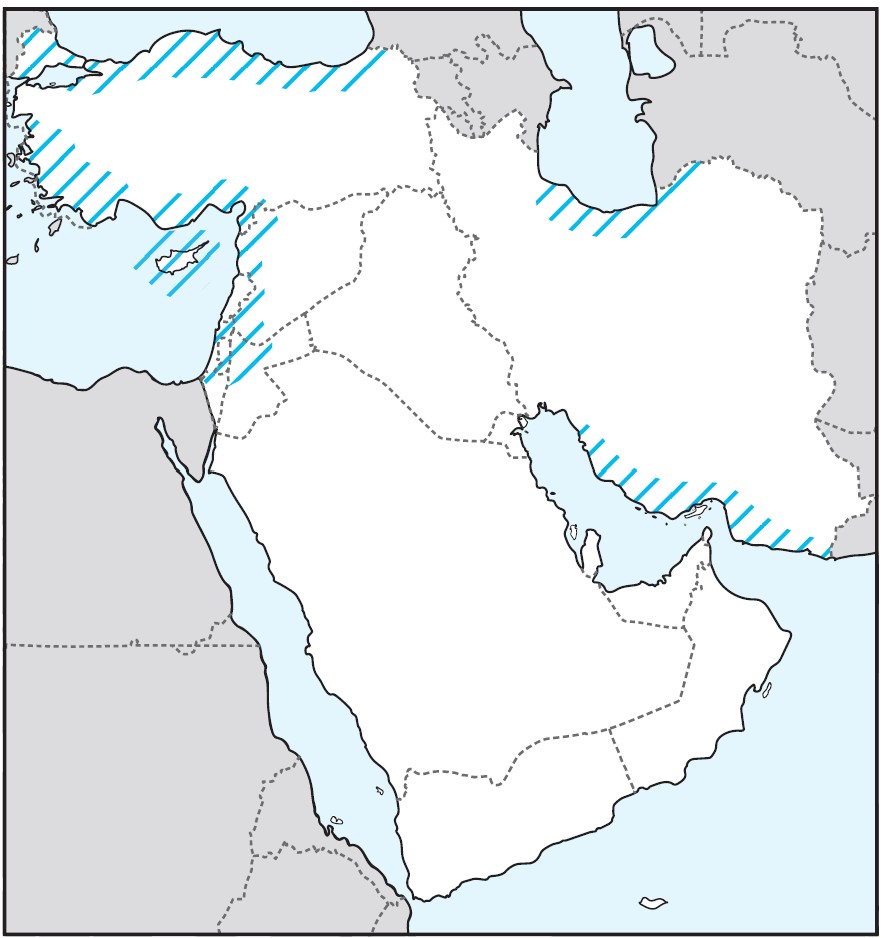
The Red-breasted Merganser is a winter visitor in parts of the Middle East, but it remains rare and irregular.
It has been recorded in nearby countries such as Kuwait, Bahrain, Oman, Saudi Arabia, and the UAE, making the Qatar record both unexpected and important.

Identification and Field Characteristics
The Red-breasted Merganser is a medium-sized diving duck with a distinctive structure and plumage.
Key Features
- A shaggy crest on the head
- A long, thin red bill with small serrations
- A long body shape in flight
- White patches on the wings
Male Plumage
- Dark green-black head
- White neck collar
- Rusty-colored breast
Females and young birds are browner and simpler, with a slimmer bill and less contrast between head and body.

Behavior and Ecology
This species is a strong diver that feeds mainly on fish.
It runs on the water to take off and then flies low and fast over the sea. Unlike the Common Merganser, it is more closely associated with marine and coastal habitats such as bays and estuaries.
Global Distribution and Life History
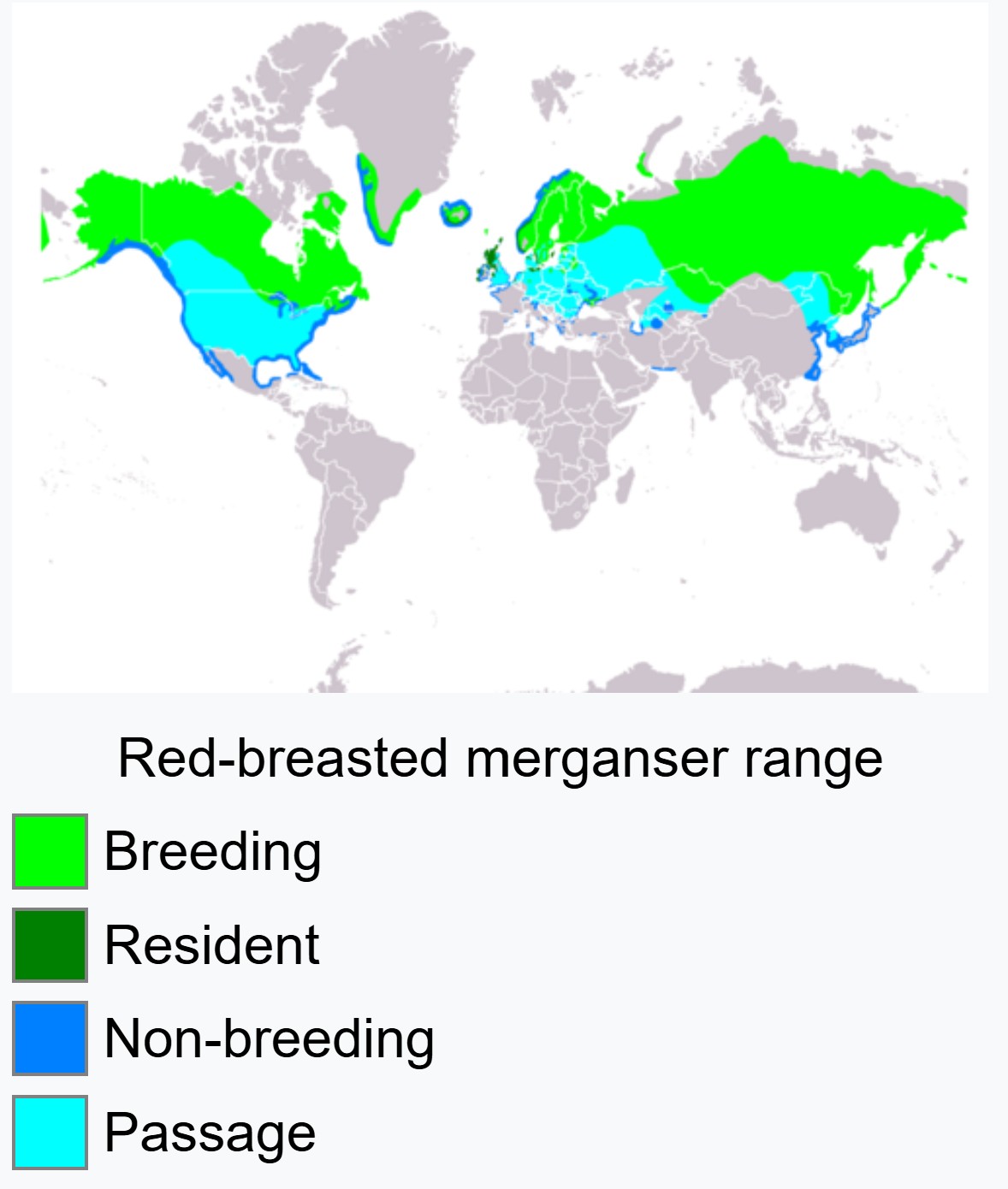
The Red-breasted Merganser occurs across the Northern Hemisphere and breeds in cold regions as far north as 75°N.
It usually nests on the ground, often on islands.
Key Points
- Late breeder, with young often flying in September
- Females care for the young
- Often forms groups of chicks (crèches)
- Well adapted to cold water
Many parts of its life history, especially migration, are still not fully understood.
Significance of the Qatar Record
This record is an important milestone for Qatar and highlights the country’s value for rare and migrating birds.
Why It Matters
- Adds a new species to the Qatar list
- Shows the value of coastal habitats
- Highlights the need for continued bird monitoring
Even in a well-studied country like Qatar, new and exciting records are still possible.