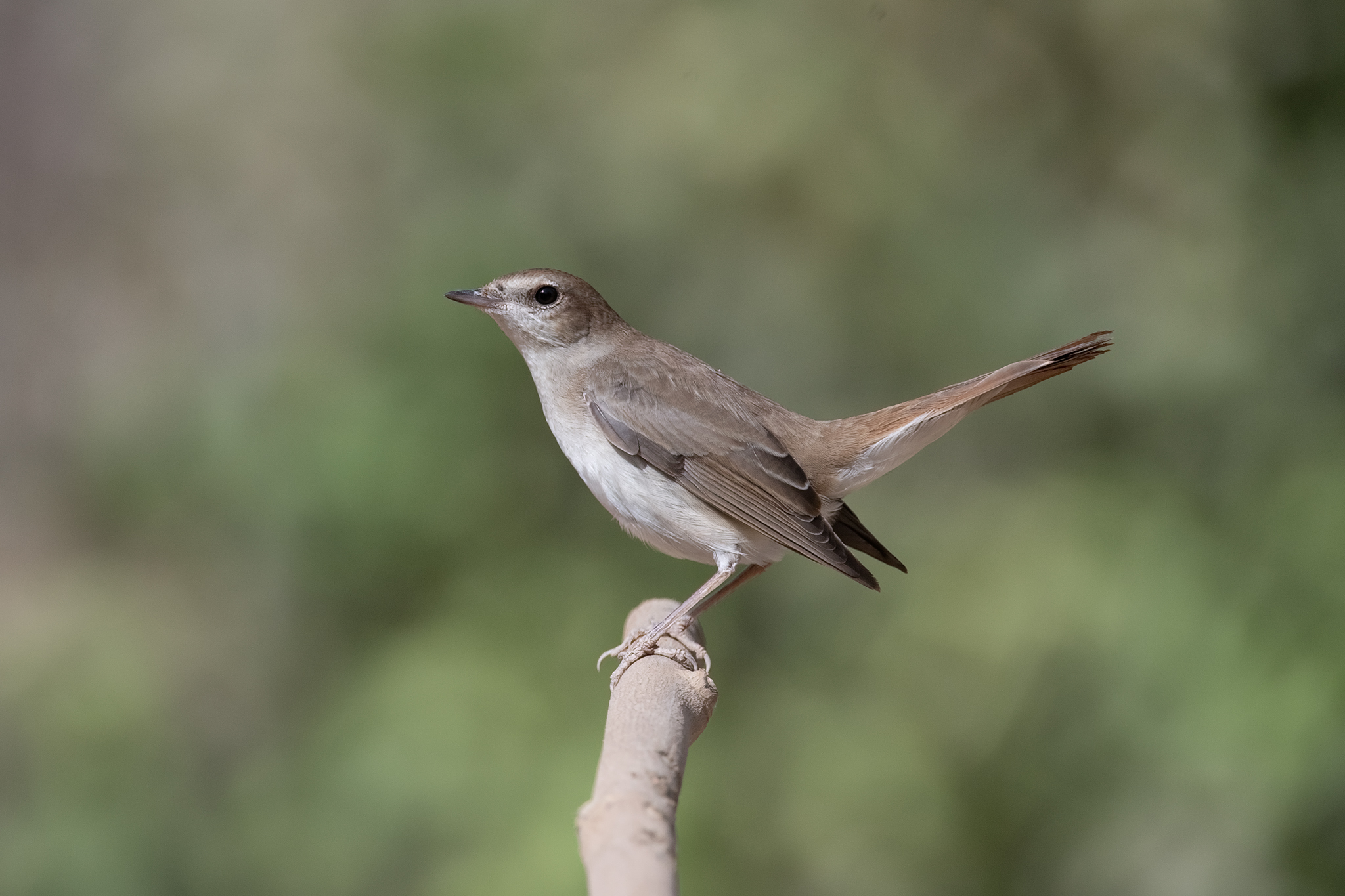



| Eastern
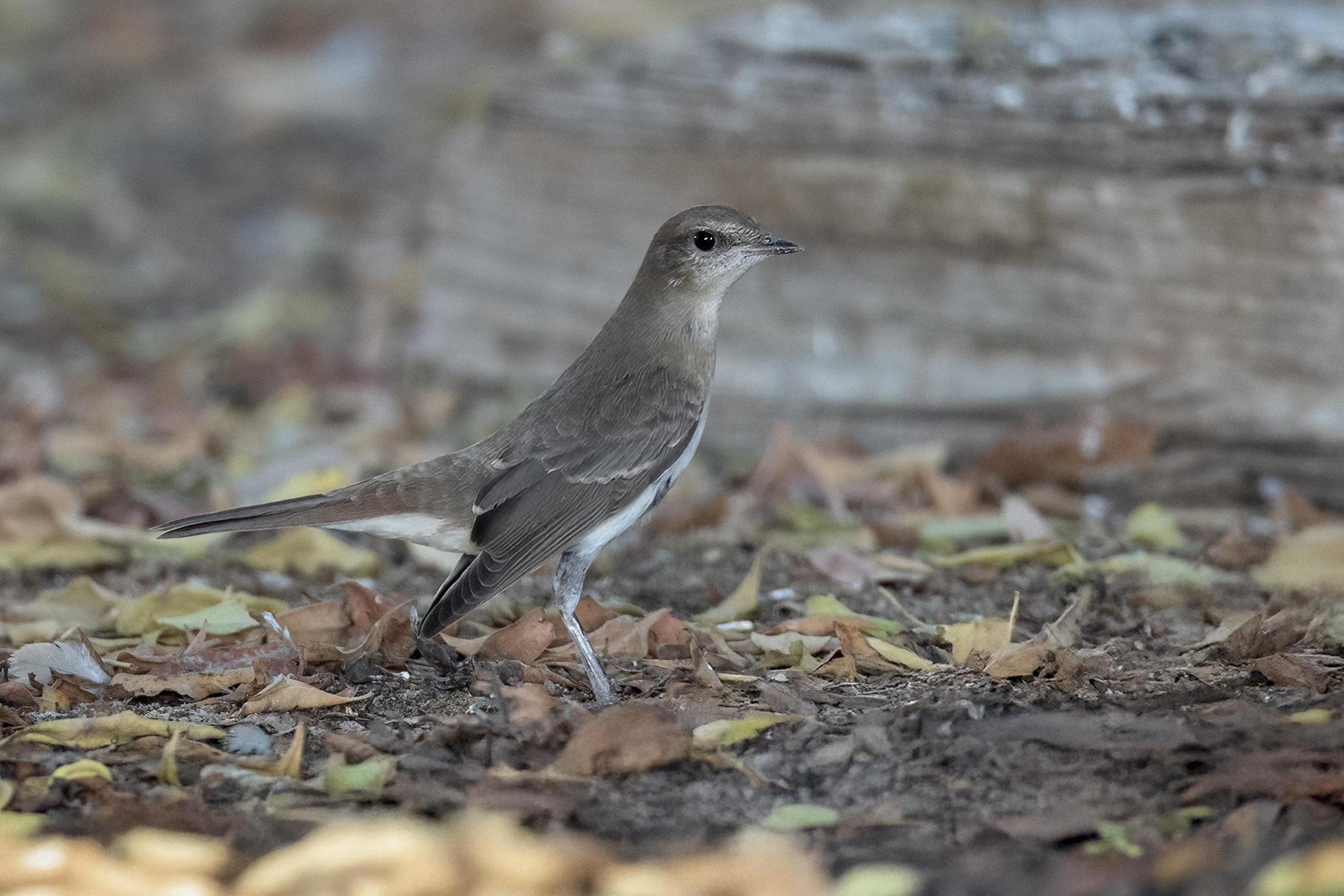
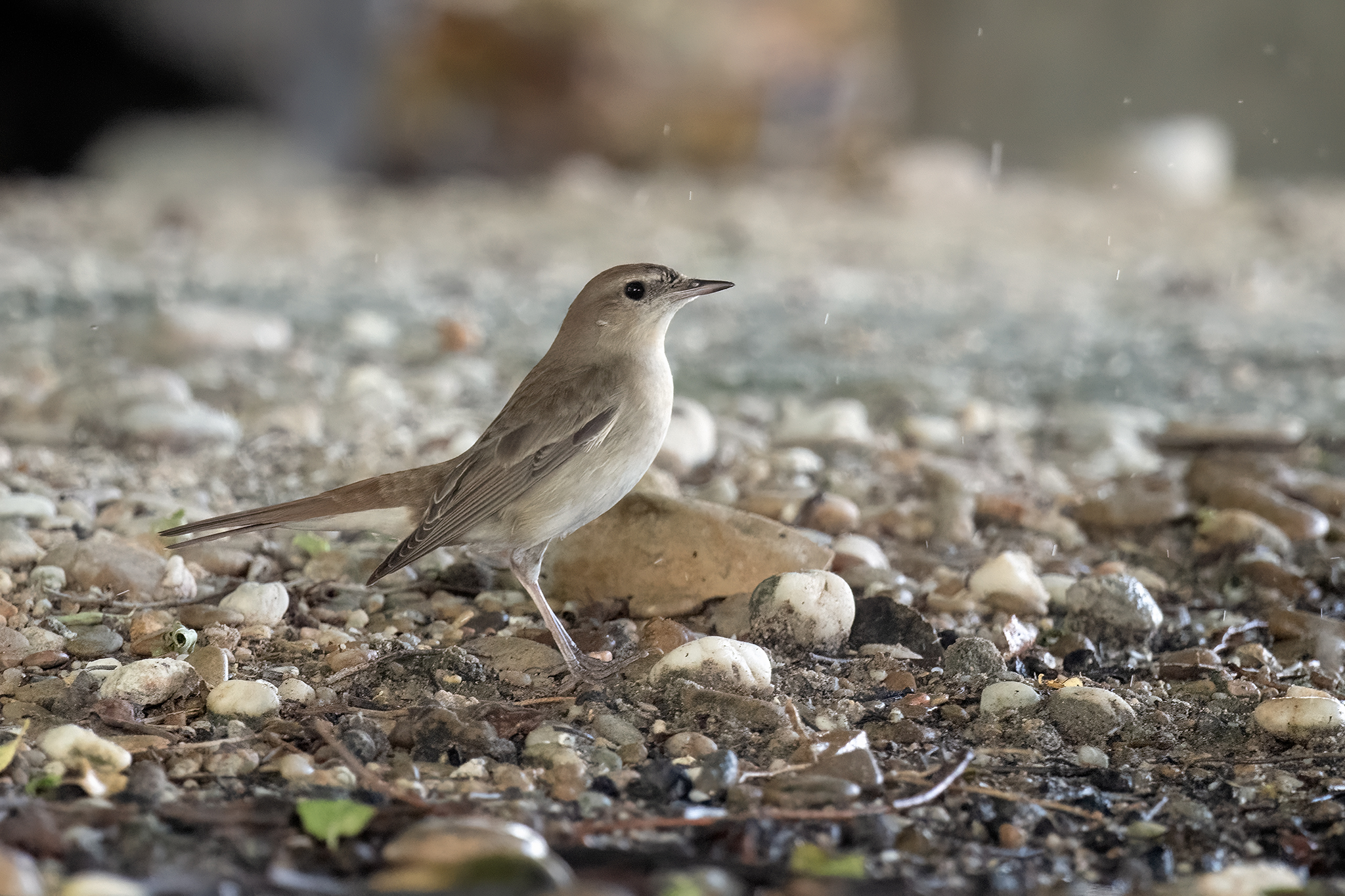
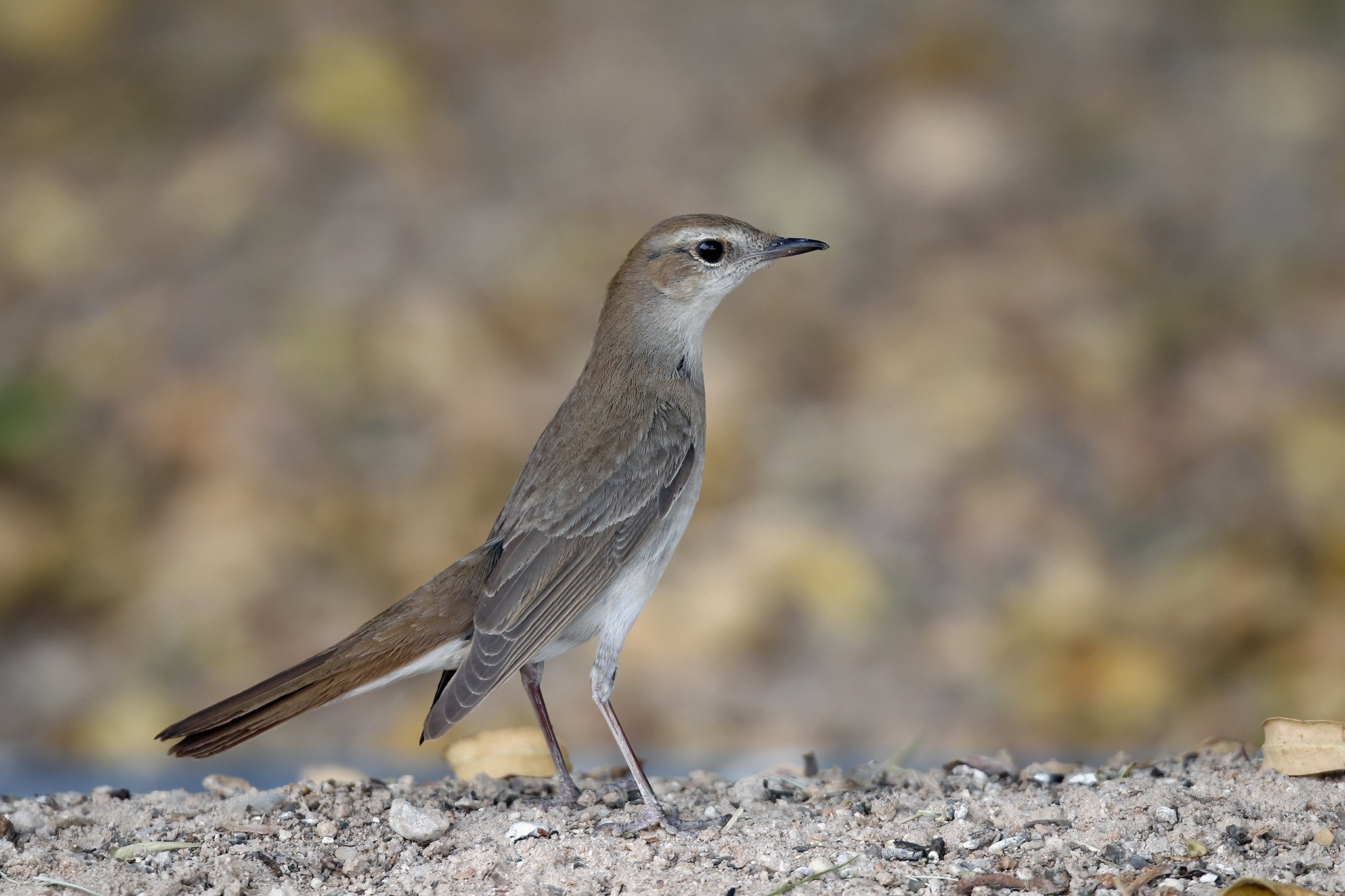
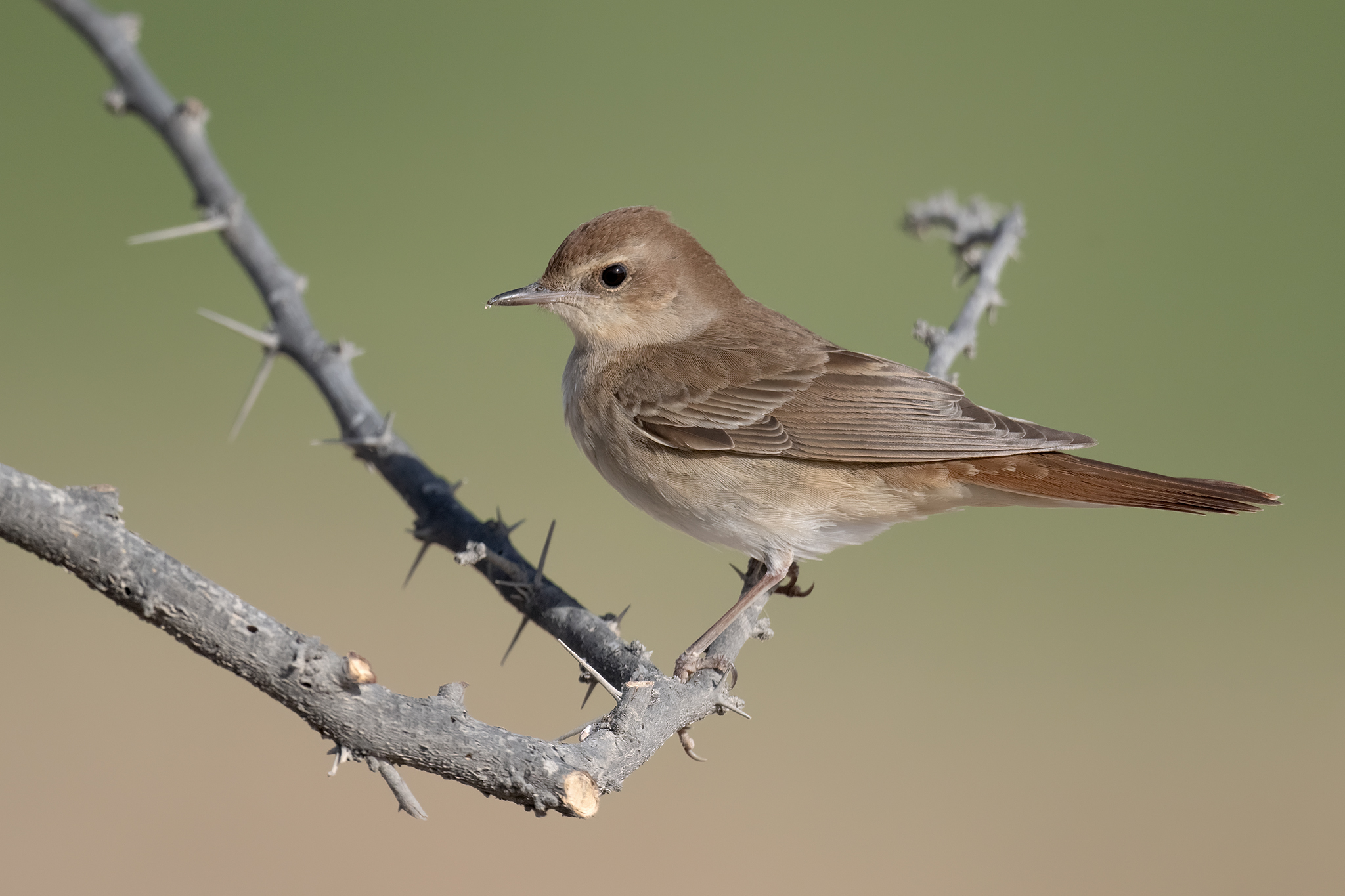
Nightingale (Golzii) The Eastern Nightingale (Golzii) is a migratory bird found in Central Asia, wintering in the Indian subcontinent. It prefers dry, open habitats such as scrublands and steppes but stays near vegetation for cover. Its plumage is paler and sandier than the Common Nightingale, with less vibrant tail coloration. The Eastern Nightingale’s song is softer and less complex, but it shares similar ground-foraging behavior with other Nightingales, primarily hunting insects. Comparison with Other Nightingales Habitat & Behavior Common Nightingale: Found in dense vegetation like thickets, woodland undergrowth, gardens, and parks. Forages low in shrubs or on the ground and migrates between Europe and sub-Saharan Africa. Eastern Nightingale: Prefers dry, open areas such as scrublands and steppes. Forages in open spaces but stays near vegetation for cover. Thrush Nightingale: Inhabits wetter environments, such as marshy woodlands, riverbanks, and damp thickets. It is secretive, often hiding near water sources. Appearance & Physical Characteristics Common Nightingale: Warm brown upperparts, buff underparts, vibrant rust-colored tail, and pale eye-rings. Eastern Nightingale: Paler, sandier plumage with less vibrant tail coloration and duller tones overall. Thrush Nightingale: Dark greyish-brown plumage with streaked markings on the breast and flanks. Rust-colored tail but less vibrant than the other species, with pale eye-rings. Size and Comparison Common Nightingale: Richer colors and a vibrant rust-colored tail. Eastern Nightingale: Paler and better adapted to dry, open habitats. Thrush Nightingale: Darker, with mottled markings and suited to wetter environments. Seasonal Presence Common Nightingale: Migrates through Qatar during spring (March to May) and autumn (August to September). Eastern Nightingale: Migrates between Central Asia and the Indian subcontinent and is rarely seen in Qatar. Thrush Nightingale: Passes through Qatar less frequently, migrating between Eastern Europe, Siberia, and East Africa. Song Common Nightingale: Famous for its rich, melodious, and varied song with whistling, trills, and rhythmic tones. Eastern Nightingale: Similar but softer and less elaborate. Thrush Nightingale: Harsher and more mechanical, lacking the lyrical quality of the other species. Summary of Key Differences Common Nightingale: Vibrant, melodious, and thrives in dense vegetation. Eastern Nightingale: Paler, adapted to dry environments, and sings a softer song. Thrush Nightingale: Darker, prefers wetter habitats, and has a harsher, more mechanical song. These differences, though subtle, help birdwatchers identify each species in their unique habitats and behaviors. |



© 2026 Qatar Bird Observation Group